The Allure of Gambling: Understanding Attraction
The attraction to casino games is deeply rooted in the psychological responses they evoke in players. The thrill of winning, paired with the risk of losing, creates a compelling emotional rollercoaster that keeps players returning. This attraction is often attributed to the excitement generated by unpredictability, where the outcome of a game can change instantly. For those looking for a thrilling experience, the best online casinos nz can provide just that, making it an enticing option for many. The anticipation and adrenaline rush linked to gaming situations are enticing elements that engage players on a fundamental psychological level.

Moreover, factors such as game design and environment play a crucial role in drawing players in. Casinos are often designed to be visually stimulating, with bright lights and engaging sounds that enhance the overall experience. This stimulation can create a sense of euphoria similar to that found in other forms of entertainment, making it difficult for players to resist the pull of the game. Understanding these psychological components can help explain players’ persistent engagement with casino environments and their games.
The Role of Cognitive Biases in Player Decisions
Cognitive biases significantly influence how players perceive risk and reward in gambling scenarios. One common bias is the illusion of control, where players believe they can influence the outcome of a game despite it being purely based on chance. This misconception can lead to repeated gambling, as players chase their perceived ability to control results. Understanding these biases gives insight into why players might continue to gamble, even after experiencing losses.
Another relevant bias is the gambler’s fallacy, where players assume that past outcomes will affect future results. For example, if a player has experienced several losses, they may believe that they are “due” for a win, prompting them to continue betting in hopes of a favorable outcome. This cognitive distortion illustrates how psychological factors can drive behavior in casinos, causing players to engage in patterns that may not be in their best interest.
Emotional Responses and Their Impact on Gambling Behavior
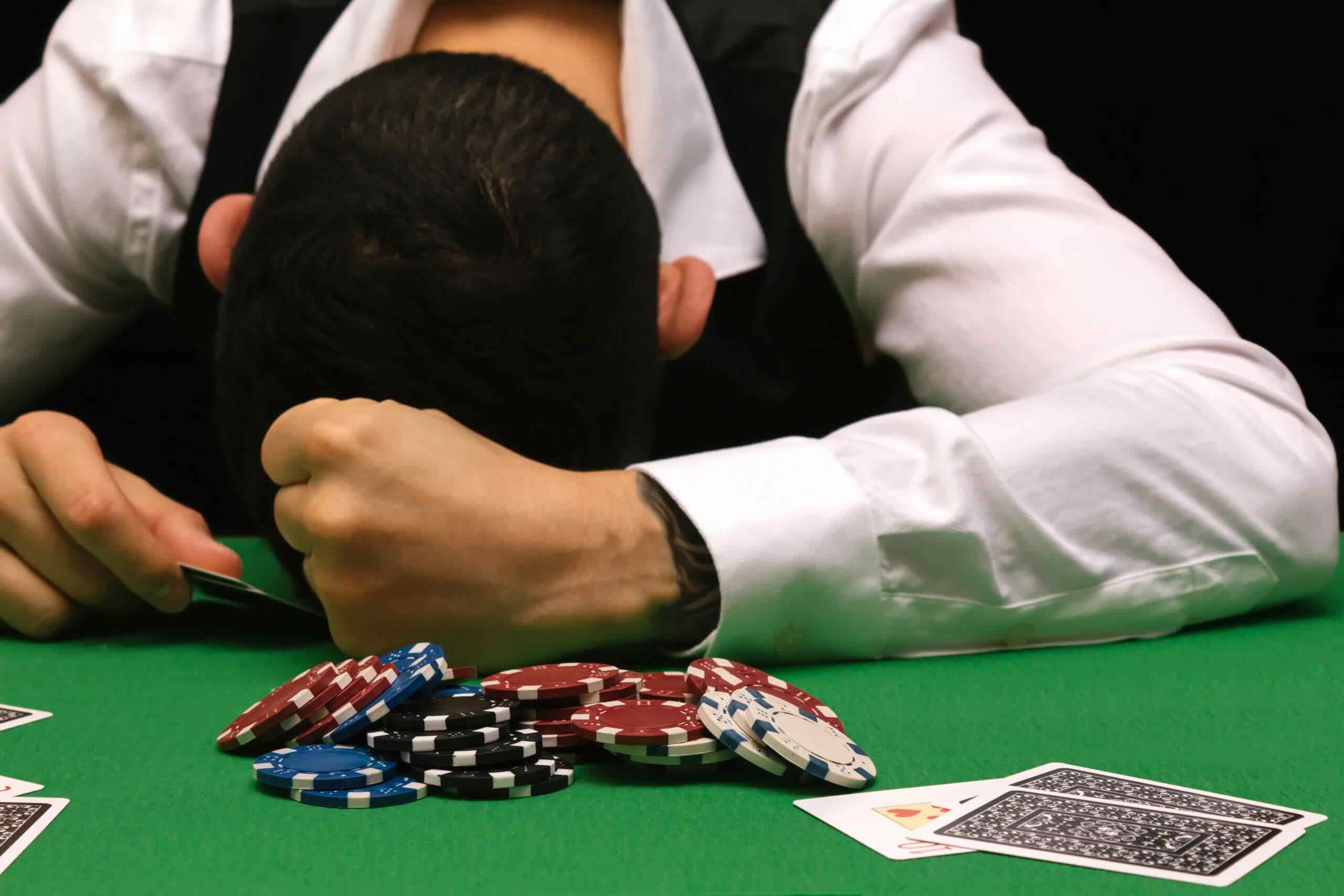
Players’ emotional responses significantly shape their gambling choices. Emotions such as excitement, anxiety, and even boredom can compel players to alter their betting behaviors. For instance, an emotional high from a win can lead to riskier decisions, as players may feel invincible or overly confident. Conversely, negative emotions stemming from previous losses can trigger compulsive gambling as players attempt to regain what they lost.
Additionally, the social environment in casinos can heighten emotional responses. When players are surrounded by others celebrating wins or commiserating losses, it creates a communal experience that can amplify individual emotions. The shared highs and lows evoke feelings of camaraderie and excitement that can prompt players to remain engaged in gambling activities longer than they might otherwise. Understanding these emotional dynamics is vital in comprehending the overall behaviors exhibited in gambling contexts.
The Effects of Reinforcement on Player Commitment
In psychology, reinforcement plays a crucial role in shaping behavior. Casino games are often designed with elements of intermittent reinforcement, where players receive rewards at unpredictable intervals. This unpredictability can lead to higher engagement levels as players continue to seek out the next win. Such reinforcement schedules keep players invested in their gaming experience, creating a cycle of anticipation and reward that is psychologically powerful.
Furthermore, the concept of near misses—a scenario where players come close to winning—can also strengthen the desire to gamble. This phenomenon can create a sense of hope and motivation, as players feel they are on the verge of a significant win. The psychological effects of reinforcement, particularly in the context of chance and luck, are fundamental in understanding why individuals persist in their gambling endeavors, despite potential risks.
About Jellyfishmapua: Insights into the World of Gambling Behavior
While Jellyfishmapua primarily focuses on the exploration of marine life, the principles of engaging content can be applied to a variety of subjects, including the psychology behind gambling. Just as understanding jellyfish behavior can deepen appreciation for marine biodiversity, exploring player behavior in casinos enhances our comprehension of the gaming world. By delving into psychological concepts, we can better appreciate the intricate dynamics that drive gambling choices.
Moreover, Jellyfishmapua encourages a safe and informed exploration of various topics, emphasizing the importance of understanding behaviors and their underlying motivations. By addressing the psychology of gambling, we contribute to a broader discourse on responsible gaming, ensuring that players engage with games in a mindful and moderated manner.